Fashion is a dynamic form of art that transcends mere clothing. It serves as a powerful medium for self-expression, allowing individuals to convey their identities, beliefs, and emotions without uttering a word. Each style—from casual to formal, streetwear to vintage—offers a unique lens through which we can understand the interplay between fashion and beauty. In this article, we will explore the rich tapestry of fashion styles and how they contribute to the narrative of personal identity.
At its core, casual wear emphasizes comfort and ease, reflecting our fast-paced lifestyles. Clothing like jeans, t-shirts, and sneakers embodies a relaxed attitude, making it the go-to choice for everyday activities. The rise of athleisure—a fusion of athletic and casual wear—has revolutionized this category, encouraging individuals to embrace fitness while looking stylish. Athleisure has become more than just a trend; it represents a lifestyle where health, comfort, and style intersect, allowing wearers to feel good while going about their daily routines.
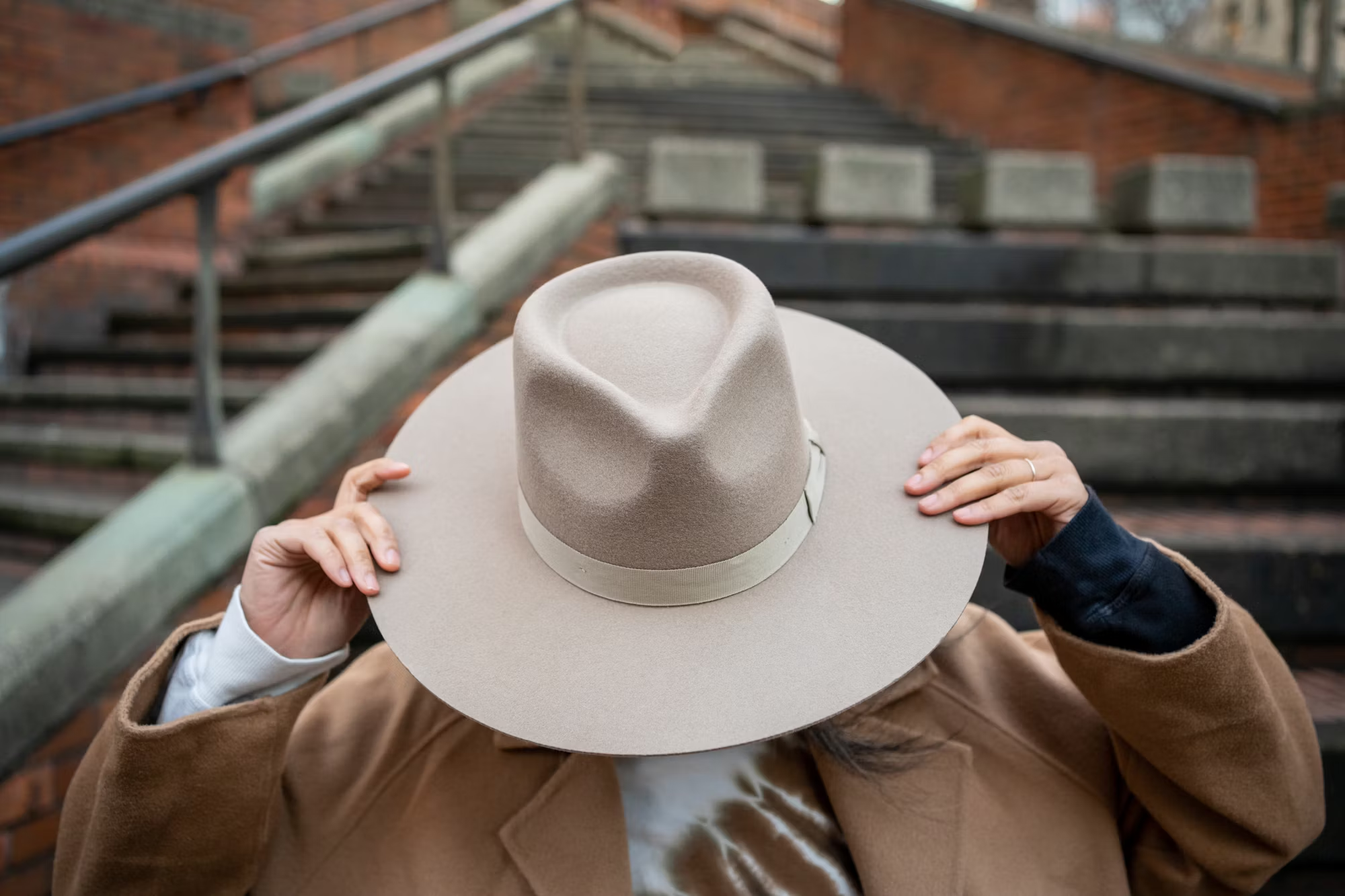
The beauty of casual fashion lies in its versatility. A simple white tee can be dressed up with a blazer for a more polished look or paired with joggers for a relaxed vibe. Accessories play a vital role here; a well-chosen hat or statement sneakers can elevate the simplest outfit. This fluidity in casual wear not only promotes individual expression but also emphasizes the notion that beauty can be effortless and grounded in comfort.
In contrast, formal wear exudes sophistication and elegance. Tailored suits, dress shirts, and exquisite gowns are designed for occasions that require a polished appearance. Formal wear has the power to transform how we perceive ourselves, instilling confidence and poise. When one dons a well-fitted suit or a stunning evening dress, it can feel as though the world shifts, presenting a new layer of identity.
The intricacy of formal attire lies in its details. A perfectly knotted tie, a delicate pair of earrings, or a luxurious clutch can complete the ensemble, adding a personal touch. This emphasis on detail underscores that beauty is often found in the small things. Formal wear challenges us to present our best selves, reflecting not just our fashion choices but also our aspirations and values.
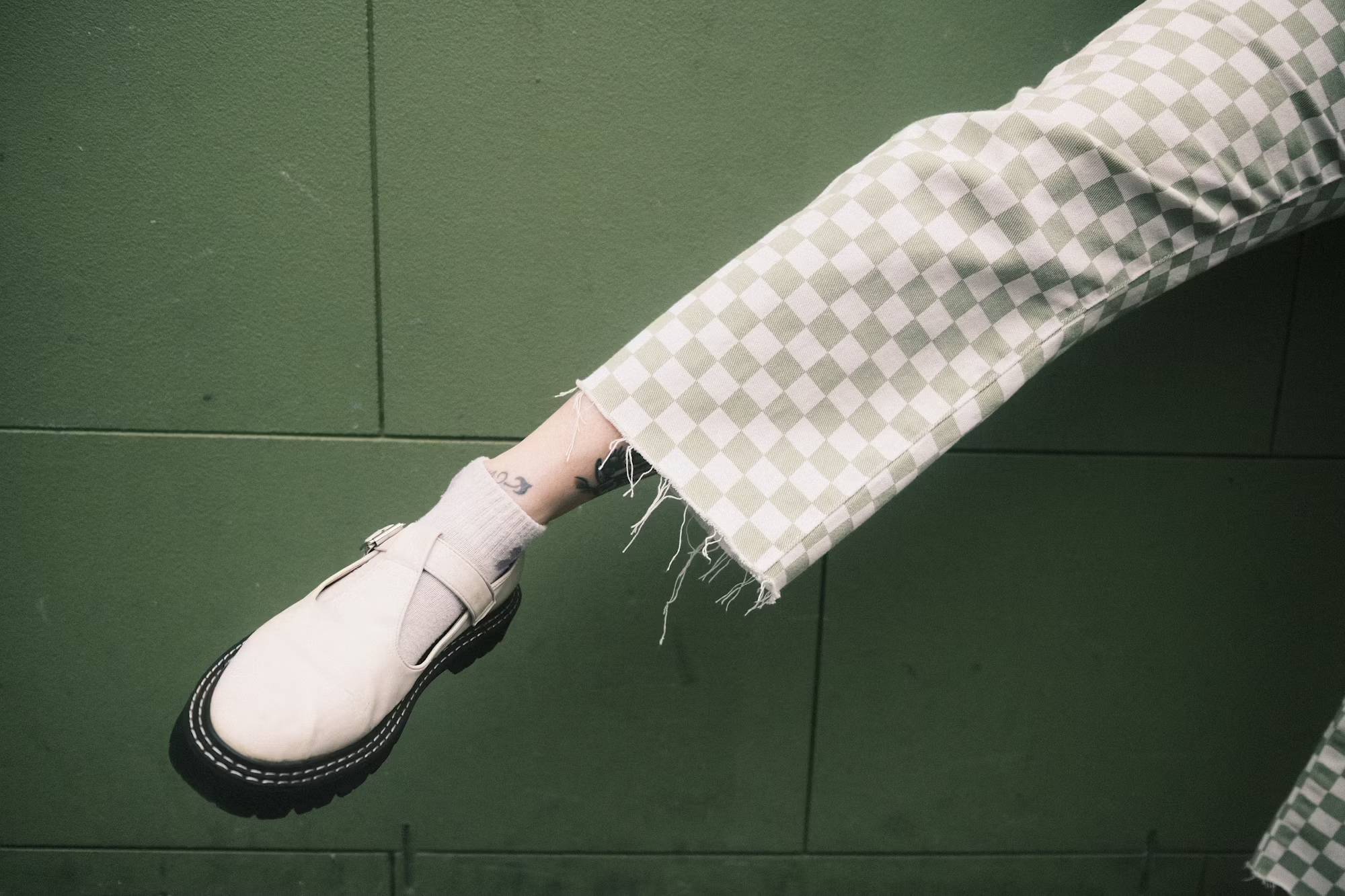
Streetwear, with its roots in urban culture, champions individuality and creativity. This style is characterized by relaxed fits, bold graphics, and a unique blend of influences that draw from music, art, and social movements. Streetwear is more than just clothing; it is a cultural phenomenon that speaks to a generation’s desire for authenticity.
Graphic tees and oversized hoodies serve as canvases for self-expression, often featuring art or messages that resonate personally. Sneakers have taken on a cultural significance, transforming from mere athletic gear to coveted fashion items that symbolize creativity and self-identity. The fusion of streetwear with high fashion has blurred traditional boundaries, illustrating how cultural influences can redefine beauty standards and challenge the status quo.
Bohemian fashion, or boho, celebrates artistic expression and free-spiritedness. Characterized by flowing fabrics, vibrant patterns, and layered accessories, boho fashion invites individuals to explore their creative sides. Maxi dresses, peasant tops, and handcrafted jewelry embody this style, creating a relaxed yet distinctive look that feels both intentional and effortless.
The essence of bohemian fashion lies in its connection to nature and self-discovery. Natural materials and earthy tones reflect an appreciation for the environment, while eclectic patterns celebrate individuality. This style promotes a sense of freedom, encouraging wearers to embrace their uniqueness and express their personalities through fashion. The beauty of bohemian fashion lies not only in its aesthetic appeal but also in the philosophy it embodies—an invitation to be authentic and true to oneself.
Vintage fashion allows individuals to connect with history while curating their unique style. By drawing inspiration from past eras—such as the glamour of the 1920s or the bold colors of the 1980s—vintage fashion enthusiasts celebrate the richness of fashion history. This approach not only honors the craftsmanship of bygone days but also emphasizes sustainability by promoting the reuse and repurposing of clothing.
Wearing vintage pieces can evoke nostalgia and provide a tangible connection to the past. Whether it’s a retro dress or classic denim jacket, each piece tells a story. The allure of vintage fashion lies in its ability to combine history with modern style, allowing individuals to express their personalities through curated collections that reflect their tastes and values.
On the other end of the spectrum, gothic fashion embraces a darker aesthetic characterized by black clothing, intricate lace, and leather accents. This style serves as a canvas for those who wish to express their individuality in a bold, dramatic way. Gothic fashion often incorporates historical and fantastical elements, creating a visually striking appearance that challenges conventional beauty standards.
The beauty of gothic fashion lies in its celebration of uniqueness and self-expression. By embracing this style, individuals communicate a sense of empowerment and authenticity, encouraging others to explore their identities without fear of judgment. The intricate details, such as lace overlays and statement jewelry, emphasize that beauty can emerge from embracing one’s darker side, fostering a sense of community among those who share similar aesthetics.
Preppy fashion, with its clean-cut and classic styles, embodies a polished approach to clothing. Inspired by collegiate attire, this category includes tailored blazers, crisp shirts, and knee-length skirts. Preppy fashion conveys a sense of tradition and sophistication, inviting individuals to express their identities through refined choices.
The beauty of preppy fashion lies in its timeless appeal. Accessories such as loafers, structured bags, and pearls enhance the overall look, adding layers of elegance. By prioritizing quality materials and tailored fits, preppy fashion encourages individuals to cultivate a wardrobe that reflects both their personality and values. This approach to style showcases that beauty can thrive within the framework of tradition while still allowing room for personal flair.
Minimalist fashion champions simplicity and functionality, emphasizing clean lines and neutral colors. This style promotes the idea that less can indeed be more, creating an aesthetic that feels both serene and sophisticated. By focusing on essential pieces—such as tailored trousers, classic white shirts, and sleek outerwear—minimalist fashion encourages individuals to curate their wardrobes thoughtfully.
The beauty of minimalism lies in its ability to convey sophistication without overwhelming the senses. By stripping away excess, individuals can focus on quality and craftsmanship, highlighting the importance of mindful consumption. This approach invites wearers to appreciate the beauty in simplicity, demonstrating that true elegance often requires restraint and intentionality.
High fashion, or haute couture, represents the pinnacle of creativity and artistry in the fashion world. Renowned designers push the boundaries of conventional aesthetics, creating exclusive pieces that often blur the line between fashion and art. The allure of high fashion lies in its ability to transform clothing into statements of individuality and creativity.
Runway shows serve as platforms for showcasing innovative designs, captivating audiences with the intricate craftsmanship and bold concepts. Wearing high fashion allows individuals to embody unique, avant-garde creations, celebrating the transformative power of clothing. This commitment to artistry and self-expression reflects a desire to challenge traditional notions of beauty, inviting wearers to explore their creativity in new and exciting ways.
Ethnic and cultural fashion honors the diversity of global traditions, showcasing unique textiles, patterns, and garments from different cultures. This style celebrates heritage while allowing individuals to connect with their roots. The richness of ethnic fashion lies in its ability to tell stories and preserve cultural significance, encouraging appreciation for the beauty of different backgrounds.
By embracing ethnic styles, individuals not only express their identity but also promote cultural understanding and respect. The vibrant colors and intricate patterns found in ethnic clothing serve as a reminder of the beauty that emerges from diverse cultural expressions, inviting individuals to celebrate their heritage while fostering connections across different communities.
Lastly, retro fashion blends nostalgia with contemporary elements, allowing individuals to mix and match influences from various eras. This playful approach to fashion encourages creativity, inviting wearers to curate their unique styles by embracing the past. The beauty of retro fashion lies in its ability to evoke memories while remaining relevant in today’s fashion landscape, demonstrating that style is often a reflection of the times.
In conclusion, fashion is a powerful form of self-expression that goes beyond clothing. Each style carries a unique narrative, reflecting personal identity, cultural influences, and the evolving landscape of beauty. By exploring these diverse styles, individuals can celebrate their uniqueness and communicate their stories through the beautiful language of fashion, demonstrating that personal style is not just about trends but a journey of self-discovery.